
Roof Systems That Handle Business Operations
Commercial Roofing in Oklahoma for buildings requiring reliable weather protection and long-term structural integrity
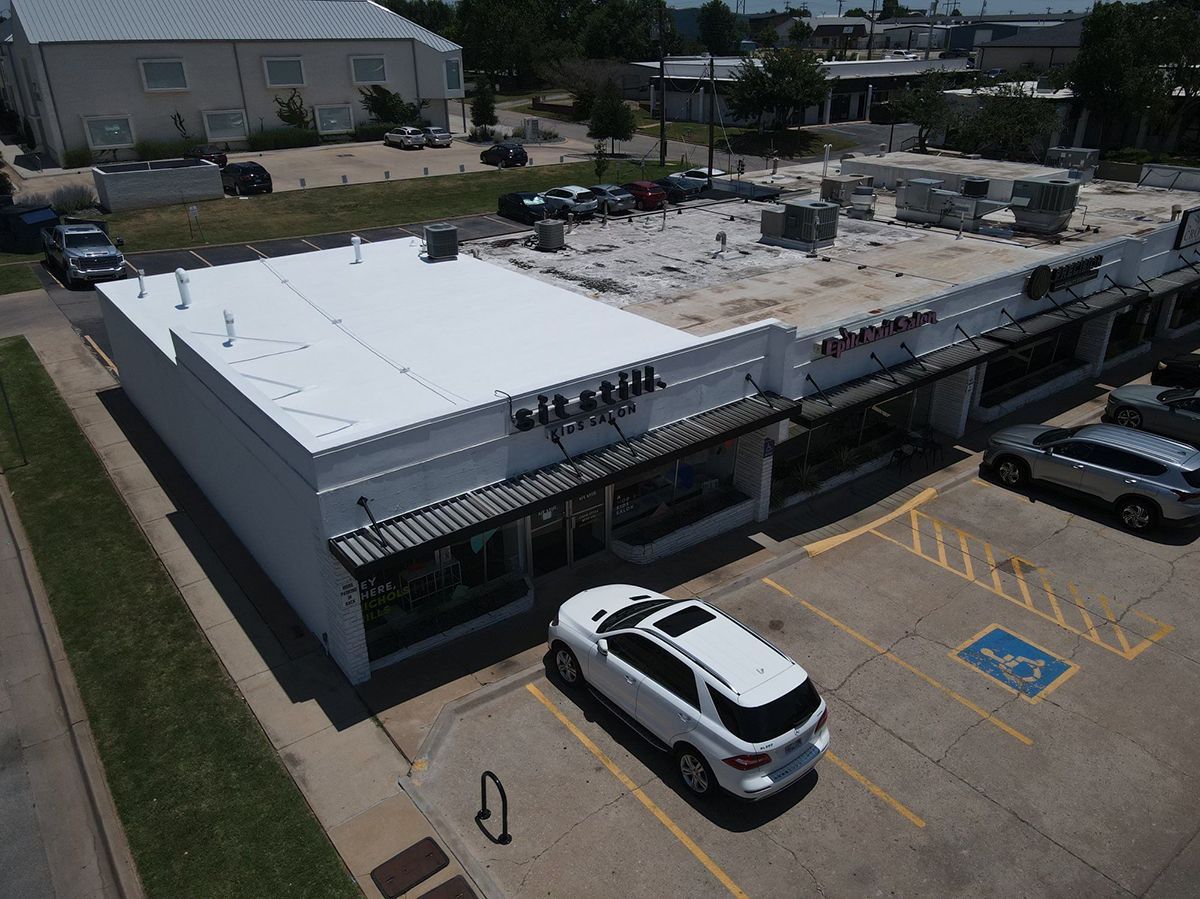
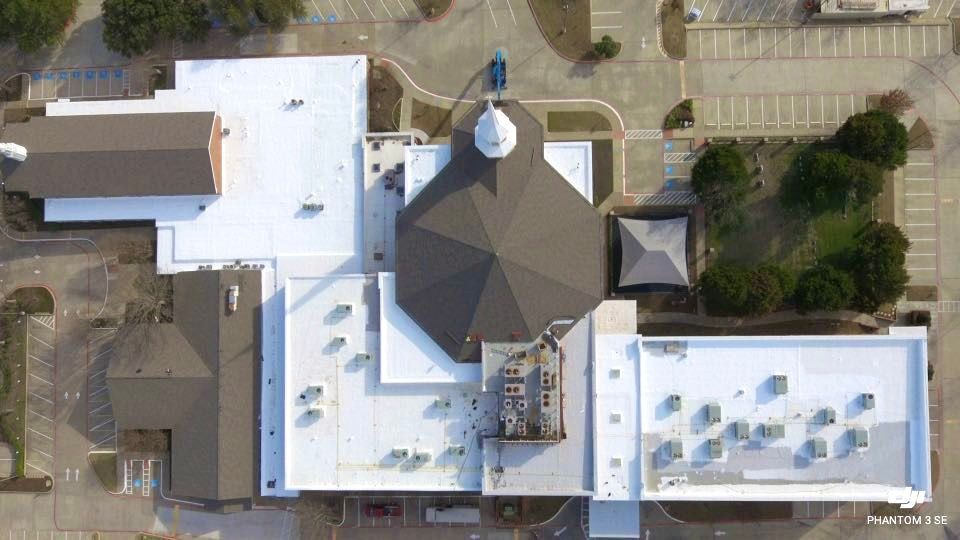
Your commercial building's roof handles constant exposure to wind, hail, temperature extremes, and UV radiation while supporting HVAC equipment, exhaust vents, and occasional foot traffic from maintenance personnel. Draper Construction & Commercial Roofing installs and restores roofing systems designed for flat, low-slope, and metal roof applications across Oklahoma, where severe weather creates specific performance demands that residential roofing methods cannot meet. The service area includes properties throughout the state, where storm frequency and intensity require roofing systems built to withstand repeated weather events without compromising interior operations.
Commercial roofing systems differ from residential applications in membrane type, attachment methods, and integration with building mechanical systems, requiring detailed evaluation of structural capacity, drainage design, and penetration management before installation begins. The process involves coordinating with building operations to minimize disruption, staging materials to avoid blocking access, and completing work in phases when necessary to keep the building functional during construction.
Schedule a building assessment to review your current roof condition and determine whether repair, restoration, or replacement best fits your operational needs.
Call us today for an estimate
Great service
Call (405) 972-5199
What Proper Commercial Roofing Requires
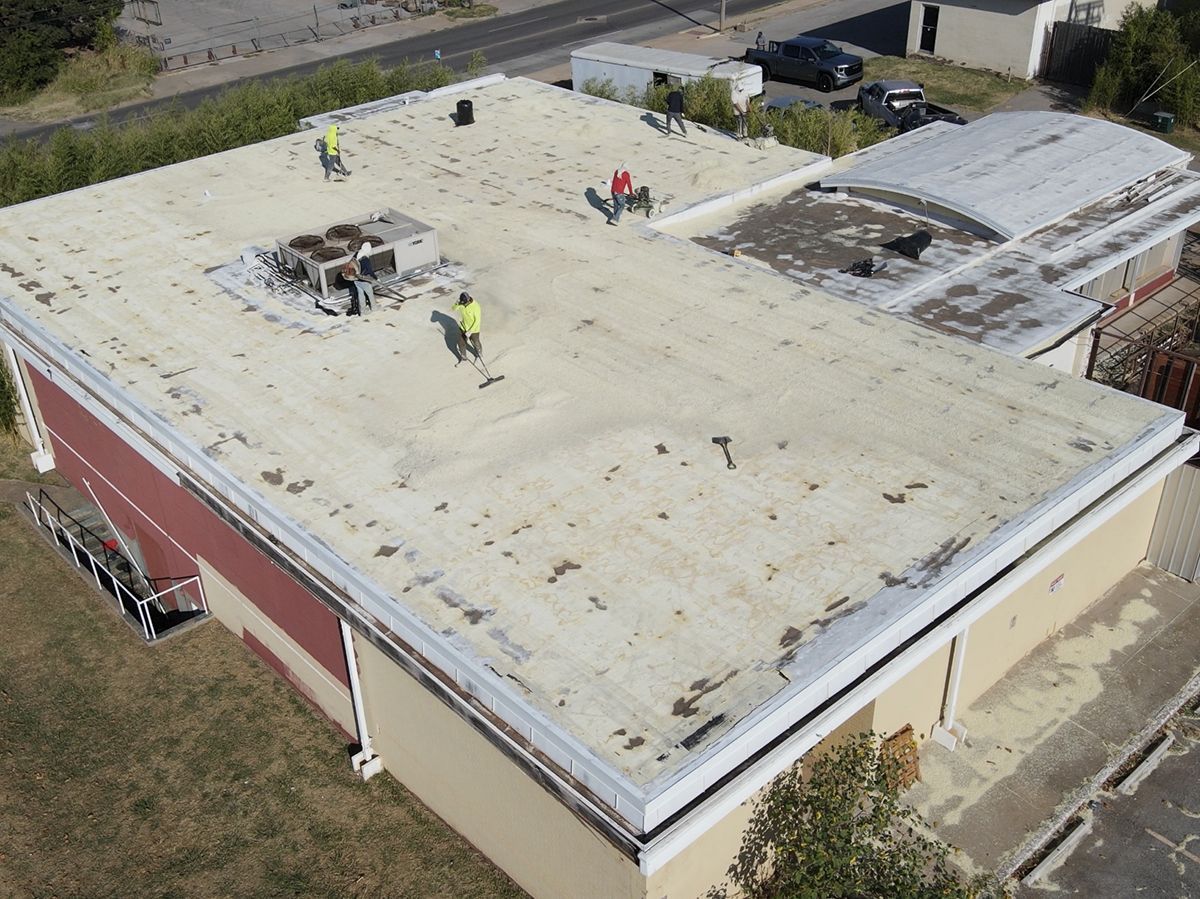
Installation begins with structural evaluation to confirm the deck can support the specified roofing system, followed by insulation placement to meet current energy code requirements and membrane installation using either fully adhered, mechanically attached, or ballasted methods depending on building height, wind exposure, and budget constraints. Flashings are fabricated and installed around every penetration, parapet, and roof edge to create watertight transitions between the field membrane and vertical surfaces.
After installation completes, you'll notice that interior temperature control improves due to proper insulation and air sealing, leaks stop occurring during rain events, and the roof surface drains effectively without ponding water that accelerates membrane degradation. The system's warranty coverage provides documentation for property transactions and insurance requirements, with maintenance protocols that preserve warranty validity throughout the coverage period.
Material selection depends on building use, budget, and expected roof lifespan, with options ranging from single-ply TPO and EPDM membranes to modified bitumen, built-up roofing, metal panel systems, and spray foam applications. Each system offers different advantages in terms of installation speed, longevity, repairability, and resistance to specific types of damage common in Oklahoma's climate.
Answers to Frequent Service Questions
Commercial property managers and owners typically want clarity on what the roofing process involves and how decisions affect long-term building performance.
What determines whether a commercial roof should be repaired or replaced?
The decision depends on the extent of membrane damage, condition of underlying insulation and deck, remaining warranty coverage, and whether recurring leaks indicate systemic failure. If more than thirty percent of the roof area shows damage or the insulation is saturated, replacement typically provides better long-term value than continued repairs.
How does Oklahoma weather affect commercial roofing material selection?
High wind speeds favor fully adhered or mechanically fastened systems over ballasted roofs, while hail frequency makes impact-resistant membranes and coatings valuable. Rapid temperature swings require flexible membranes that won't crack during thermal cycling common between winter and summer months.
What happens to business operations during commercial roof installation?
Most installations occur during regular business hours with coordination to minimize noise and disruption during critical operational periods. Material delivery and tear-off work create the most disturbance, while membrane installation typically proceeds quietly once staging is complete. Fluid-applied roofing systems, such as spray polyurethane foam and roof coatings, often do not require a full tear-off in most cases. This helps minimize disruption to business operations while extending the life of the existing roof.
How long does a commercial roofing system last in Oklahoma?
Lifespan varies by system type, with single-ply membranes lasting fifteen to twenty-five years, modified bitumen systems lasting twenty to thirty years, and metal roofs exceeding forty years when properly maintained. Regular inspections and preventive maintenance extend service life by addressing minor issues before they become structural problems. Spray foam roofing and coating systems can carry warranties of up to 20 years—and those warranties can be renewed and extended at a fraction of the cost through routine cleaning and reapplication of the protective coating.
Draper Construction & Commercial Roofing provides detailed project proposals that outline material specifications, project timeline, and warranty coverage based on your building's specific requirements. Contact us to schedule a comprehensive inspection; we’ll perform core sampling and moisture testing to establish a precise scope of work for your property.