
Waterproof Membranes Applied Over Existing Systems
Roof Coatings in Oklahoma City for buildings with membrane fatigue or seam failures that don't yet require tear-off
Seams along modified bitumen or single-ply membrane roofs begin separating after years of thermal cycling, creating entry points for water that gradually saturates insulation below. Draper Construction & Commercial Roofing applies fluid-applied coating systems across Oklahoma City commercial properties, forming a monolithic barrier that eliminates those seam vulnerabilities entirely. The difference shows up immediately during the next rainstorm when water sheets off uniformly instead of pooling in valleys or seeping through compromised flashings.
Coating thickness and chemistry vary based on substrate type—EPDM rubber membranes require different primers than TPO or built-up asphalt roofs. Most systems build up to twenty-five mils of total thickness through multiple passes, with embedded polyester reinforcement fabric at critical stress points like penetrations and transitions. Oklahoma's intense summer UV exposure degrades uncoated membranes within fifteen years, but reflective coatings extend that timeline significantly by reducing surface temperatures.
Arrange a roof survey to identify which sections show early failure signs and whether full coating or targeted repair makes sense for your building age and budget.
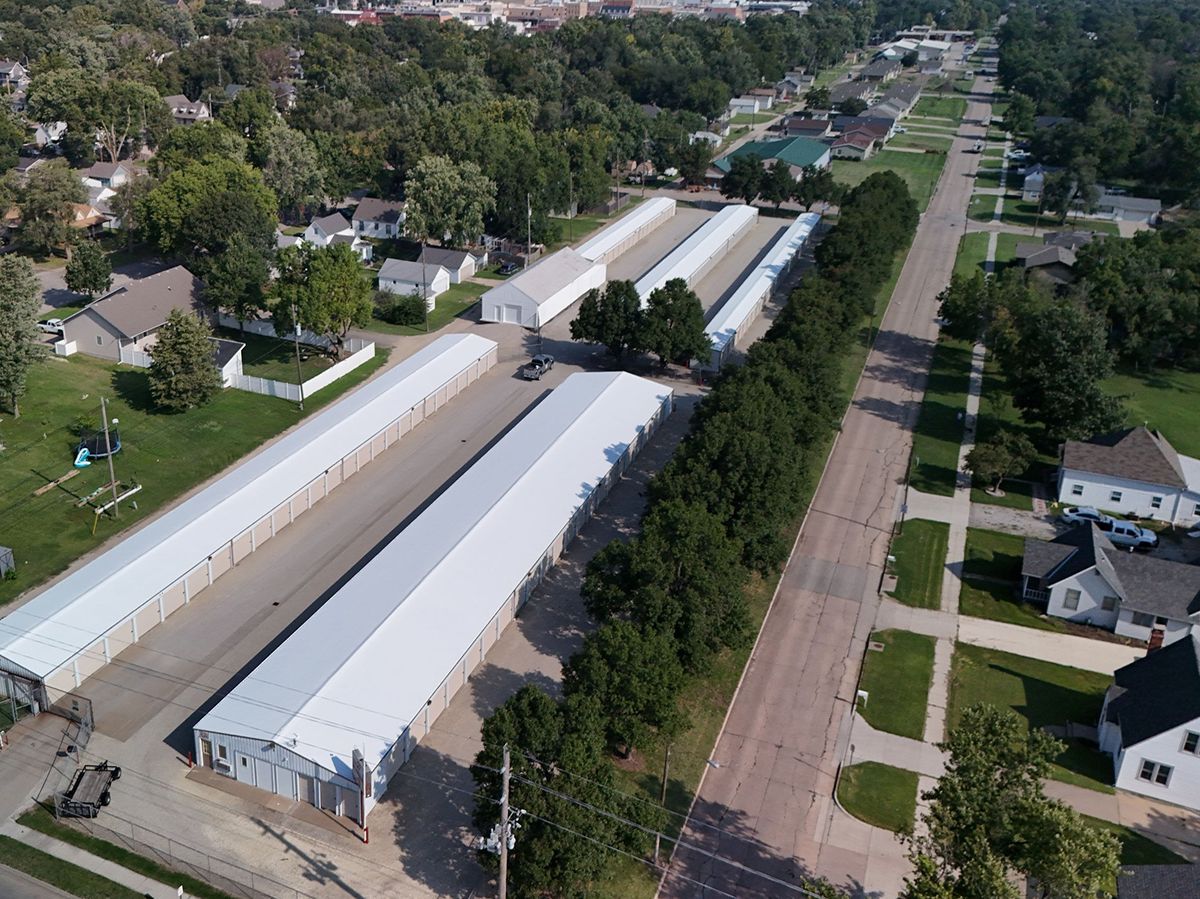
Commercial roof coatings
Long-lasting, affordable
(405) 972-5199
What Proper Coating Installation Requires
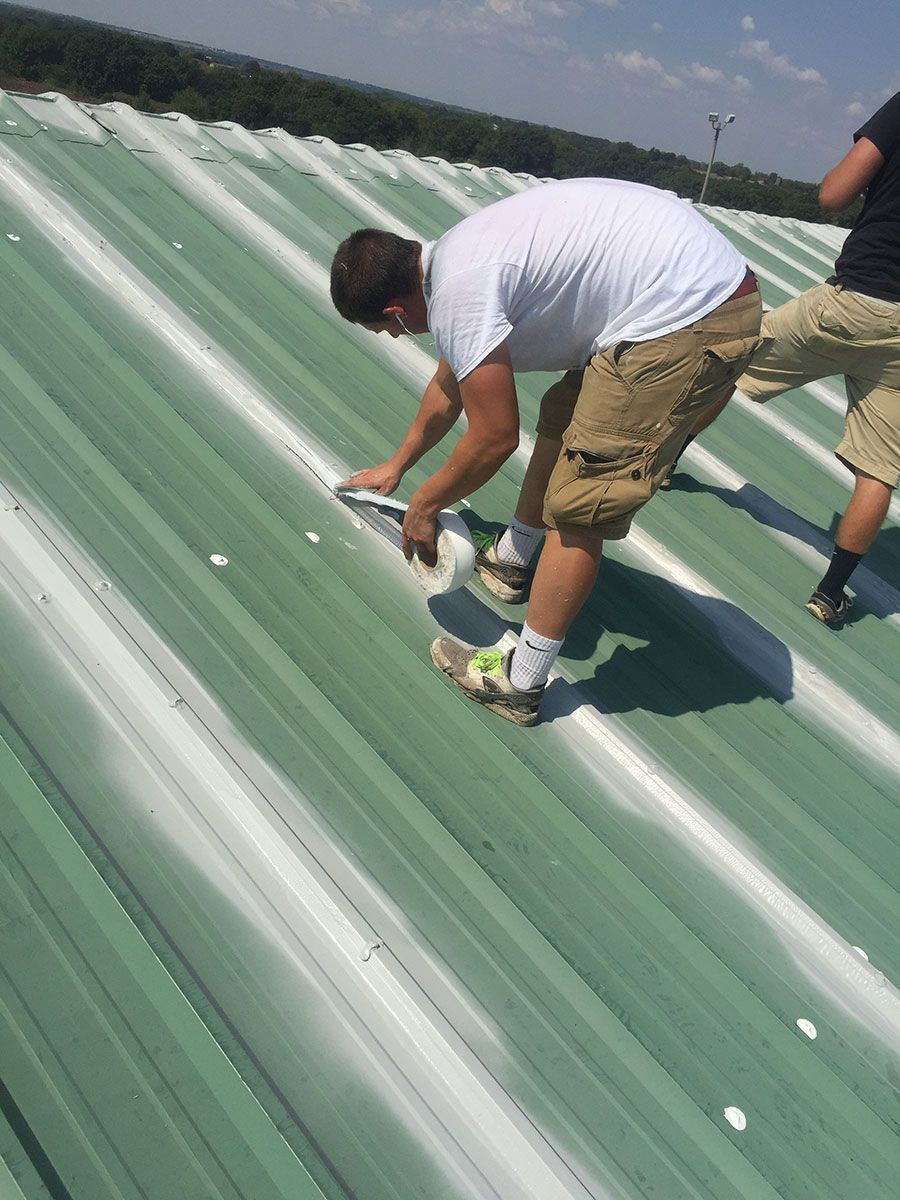
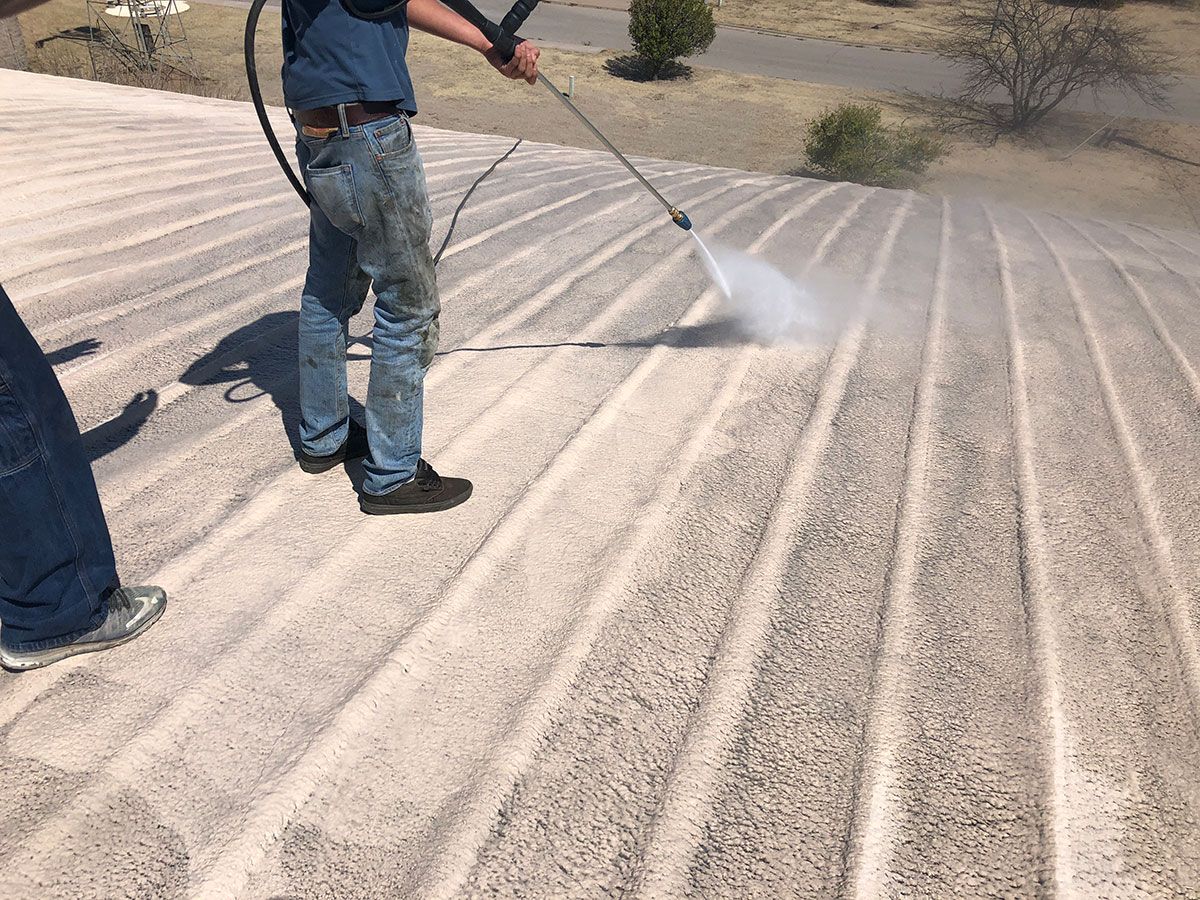
Substrate cleaning removes dirt, biological growth, and ponded water residue that interferes with coating adhesion, typically using low-pressure washing followed by allowing the roof to dry completely for at least twenty-four hours. Blisters in the existing membrane are cut open, dried out, and patched flat before coating begins. Fastener heads and seam edges receive extra material to build thickness at these high-stress zones where movement concentrates.
Once the coating system cures across the entire roof surface, which takes three to five days depending on temperature and humidity, you'll notice that standing water disappears faster because the smooth coating eliminates the texture that trapped water previously. Interior ceiling stains stop expanding because the waterproof membrane no longer allows moisture infiltration at vulnerable seams. The building's cooling costs often drop measurably because reflective coatings reduce heat transfer into the occupied space below.
Coating systems extend roof life by ten to fifteen years but don't fix structural deck problems, inadequate drainage slope, or saturated insulation that has already lost its R-value. Properties with rooftop equipment benefit from coating around those support structures, creating watertight seals that traditional flashing methods struggle to maintain over time as equipment vibration works fasteners loose.
What Building Owners Want to Know
Deciding whether to coat or replace depends on how much serviceable life remains in the existing roof deck and insulation, not just the membrane surface condition.
How do you know if a roof is too damaged to coat?
Infrared scanning reveals moisture trapped in insulation—if more than twenty-five percent of the roof area shows saturation, replacement typically offers better long-term value than coating over compromised materials that will continue deteriorating underneath.
What roof types work best with coating systems?
Single-ply membranes like TPO and EPDM, modified bitumen, built-up tar roofs, and spray polyurethane foam all accept coatings well after proper preparation, while metal panel roofs require specialized primers to bond with galvanized or painted surfaces.
Why does slope matter for coating selection?
Roofs with slopes below one-quarter inch per foot hold water longer, requiring silicone-based coatings that resist softening when submerged, whereas steeper roofs can use acrylic systems that offer better dirt resistance and lower material costs.
When should coating happen in Oklahoma City's seasonal cycle?
Late spring through early fall provides ideal conditions, with coating best applied when nighttime temperatures stay above fifty degrees and daytime humidity drops below seventy percent, allowing proper curing without dew interference or temperature-related application problems.
What warranty coverage applies to coating work?
Most manufacturers offer ten-year material warranties when coating is applied by certified contractors following their specifications, with labor warranties typically running five years and covering workmanship defects like inadequate thickness or missed surface preparation steps.
Draper Construction & Commercial Roofing performs core samples to assess insulation condition and deck integrity before proposing coating as a restoration strategy. Request a detailed roof evaluation to compare coating costs against full replacement based on your building's specific conditions and expected occupancy timeline.